


Everyone experiences trauma differently, and if we happen to be in a state of low resilience when the trauma happens, it can change our lives overnight. Over time, our minds and bodies can try and resolve things, but often we continue to struggle and the symptoms can get worse, and this is when you need to seek help.
By helping you understand your own personal life landscape (our learnt behaviours, experiences and emotional resilience), we can identify and resolve traumatic situations using a combination of therapies.
Some trauma is unavoidable and will affect you whatever your level of resilience, as you experienced the extreme fear of not being able to escape. A car crash would be an example of this, and can easily produce PTSD symptoms whether it was life threatening or not.
Our brains are not rational
Trauma can be classified as simple or complex, but to the sufferer is can be debilitating and greatly affect their everyday lives, whichever it is. If left untreated, trauma can create emotions and behaviours that become disproportional to the event as it gains momentum. The good news is we can help you resolve this.
Our brains are not rational, so they cannot gauge whether the trauma they have stored is proportional to the event. It all comes down to how the event was perceived at that time. Your ‘Chimp Brain’ is there to ensure your survival and protect you, so if it perceives a threat that you cannot escape from, it becomes ‘life threatening’, and therefore equals trauma.

Life changing events often give us trauma, and as if it wasn’t enough living through it, our brains make us relive it time and time again with flashbacks, nightmares, visions etc, firing up all of the survival responses as if we were in it once more. These reactions feel real, but are born out of visions that our brain perceives as real as we see them in our minds eye. The more we visualise them the more we repeat the trauma, embedding the fear and then creating lightning speed automatic fear patterns. These need resolving as soon as possible, with our help, to ensure your life is happy and NOT traumatic
The responses we typically have are:

Emotional
Your feelings feel overwhelming

Cognitive
Your thoughts, both conscious and unconscious, automatically running creating fear

Autonomic
Our brain telling our bodies to react eg. heart racing, sweating, run!

Somatosensory
You "feel" sensations such as tingling, pain, numbness etc..
How we can help…
Trauma is very personalised, so we help our clients by firstly understanding the issues and looking at the automatic patterns of emotions and behaviours. There may be one, or multiple events, and we will ensure that we address all of these for you, to ensure at the end of your therapy that all the trauma responses are dissolved and gone.
We spend time with you combining different therapies, to resolve the various aspects of your reactions. That may involve CBT to access your thoughts, with eye movement therapy to access your emotional physical reactions, to NLP to see how you talk to yourself during the processes. Thought Field Therapy is another option to tackle the mind and body links
During your therapy you will learn self-help techniques to ensure any future traumatic experiences can be managed immediately.
Please call or message us with any information you would like, or to book a free confidential consultation to discuss your specific issues.
Trauma and Chronic Illness
What are Traumatic Memories?
Traumatic memories are encoded in the brain in a different place to normal memories. Anything that is perceived as ‘life threatening’ is filed in a fast access place so that it can be referenced at lightning speed. That’s why traumatised people can be ‘jumpy’ and highly vigilant to certain situations.
When these four things are present, this is the sign to the brain to file it differently in our ‘fight, flight or freeze’ region :
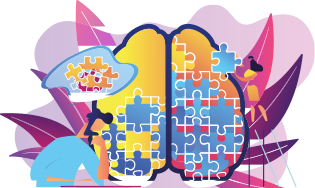
- Landscape of the brain
- Event
- Meaning
- Perceived inescapability
Due to these four circumstances, our brain encodes the memory in a different place often known as the fight or flight region, meaning that recollection of that or similar looking events is recalled directly, and reactivates the same emotional response attached to it, often feeling like your reliving the original event.

The stored memory contains many sensory and cognitive information, meaning the tiniest of details can be recalled, along with the emotions felt at the time. People can often remember what they saw, smelt, heard, touched and tasted, even years after the event, due to the way they are stored. The trauma-encoded memories have certain receptors that are always in high alert and allow fast conduction ie direct access down that memory pathway, that give an almost immediate response that is so hard to break on your own. It needs a trained therapist to utilise different therapies to interrupt these superhighways of emotional trauma, and to ensure that this encoding is broken down, so that the memories are moved to a more suitable place to be recalled, but with none of the traumatic emotion attached.
Trauma often comes with repressed emotions, and the therapy room provides a safe place for these to be released, as you begin to heal. Like any form of therapy, the trauma could have multiple layers and it is important to deal with these in a gentle, sectional approach to ensure we thoroughly remove layers of emotion in the right order and at the right point. Often something seemingly unrelated will pop up, but this is a healthy way of finding any links to the trauma, and ensuring it is all cleared.
Chronic Illnesses
Trauma can lead to chronic illness or chronic illness can lead to trauma, but either way they are often linked. Trauma causes all sorts of difficult emotions, but often comes with prolonged stress and this has been proven to be a precurser to a lot of illnesses. Particularly childhood trauma that is not dealt with can lead to issues later in life. A Kaiser study published in 1998 found that, as the number of adverse childhood experiences in a child’s life increases, so does the likelihood of “multiple risk factors for several of the leading causes of death in adults”, such as heart disease, cancer, chronic lung disease, and liver disease.

There is also studies about the links of trauma and prolonged stress with chronic illnesses like Fibromyalgia, Chronic Fatigue syndrome and some autistic spectrum behaviours. With the use of therapy interventions, we may not be able to cure these illnesses (although it has been seen), but we can greatly reduce if not eradicate symptoms.
Each case is different, so please contact us to discuss yours, to see if we can help in any way.